
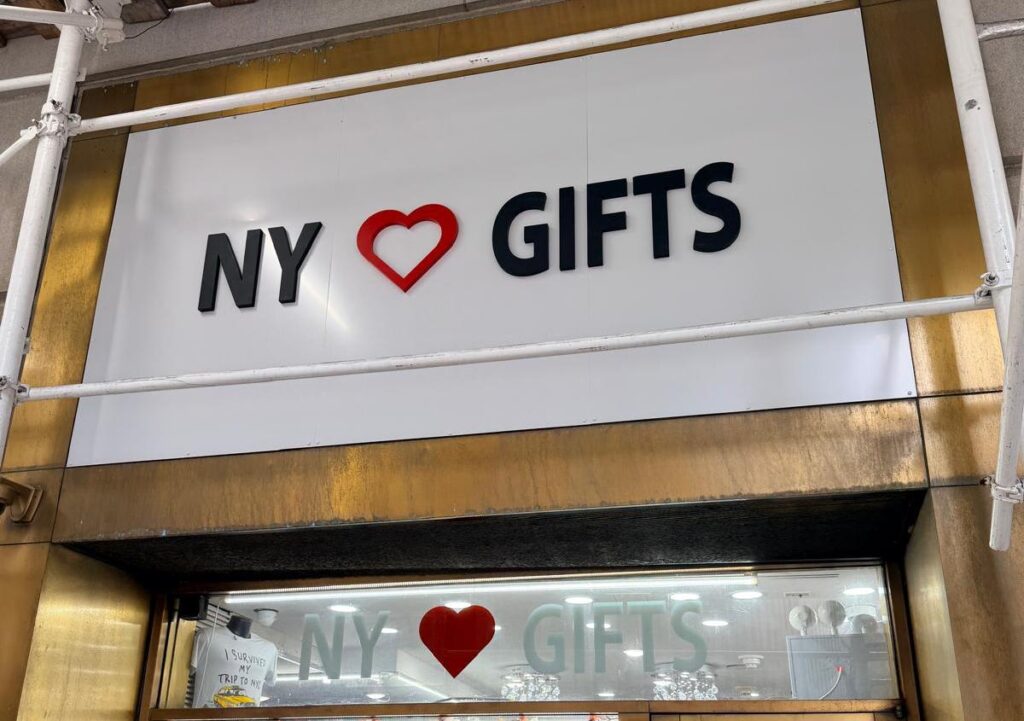
Installing a business sign on a landmark building or within one of New York City’s historic districts requires more than a standard sign permit. Before fabrication or installation begins, many projects must also receive approval from the New York City Landmarks Preservation Commission (LPC).
The LPC reviews proposed signs to ensure they complement the architectural character of landmark buildings and historic districts while preserving New York City’s historic streetscapes.
If your business is located in SoHo, Tribeca, Greenwich Village, the Upper West Side, Brooklyn Heights, or another designated historic district, understanding the NYC LPC permit process can save you time, reduce costly revisions, and help your project move smoothly from design to installation.
This guide explains everything business owners should know about the NYC LPC sign permit approval process, when an NYC LPC permit is required, and how to navigate the review process successfully.
What Is the NYC Landmarks Preservation Commission (LPC)?
The New York City Landmarks Preservation Commission is the agency responsible for protecting the city’s architecturally, historically, and culturally significant buildings and neighborhoods.
Its mission is to preserve the character of designated landmarks and historic districts by reviewing exterior alterations, including commercial signage.
Unlike the NYC Department of Buildings (DOB), which focuses primarily on structural safety, zoning, and construction code compliance, the LPC evaluates whether proposed work is visually appropriate for the historic building and surrounding streetscape.
When Is an NYC LPC Sign Permit Required?
An LPC permit is generally required whenever you install, replace, modify, relocate, or illuminate exterior signage on a designated landmark or a building located within a historic district.
This includes many types of commercial signage such as:
- Storefront signs
- Pin-mounted dimensional letters
- Painted signs
- Blade signs
- Bracket signs
- Hanging signs
- Banner signs
- Illuminated channel letters
- Halo-lit signs
- Neon signs
- Window lettering
- Plaques
- Menu boxes
- Poster boxes
- Flags
Even replacing an existing sign with a new design may require LPC review if the appearance, size, materials, mounting method, or illumination changes.
How Do You Know if Your Building Is a Landmark?
Before designing a sign, determine whether your property is:
- An Individual Landmark
- Located within a Historic District
- Part of a Scenic Landmark
- Located within a Landmark Interior designation
Many Manhattan storefronts, especially in neighborhoods such as SoHo, NoHo, Greenwich Village, Tribeca, Chelsea, the Flatiron District, and the Upper East Side, fall within LPC jurisdiction.
Verifying the property’s designation early helps avoid redesigns after permit review.
What Does the NYC LPC Sign Review?
The Commission evaluates whether a proposed sign preserves the building’s architectural integrity and contributes positively to the surrounding streetscape.
Reviewers typically consider:
- Overall sign size
- Scale and proportions
- Materials
- Letter style
- Colors
- Mounting method
- Visibility
- Illumination
- Number of signs
- Relationship to neighboring storefronts
- Impact on historic architectural features
The cumulative amount of signage on a storefront is also considered. Existing signs, awning lettering, glazing graphics, flags, and bracket signs may all be evaluated together rather than individually.
General LPC Sign Design Guidelines
Although every building is unique, LPC generally encourages signage that complements the historic storefront rather than dominates it.
Signs should:
- Respect the original architectural design
- Fit within existing signbands whenever possible
- Avoid covering decorative masonry, cast iron, terra cotta, or ornamental details
- Maintain appropriate proportions
- Use high-quality materials
- Minimize visual clutter
- Preserve historic storefront features
LPC may require revisions if signage obscures decorative architectural elements or overwhelms the building façade.
Types of Signs Commonly Approved by LPC
Many business owners are surprised that LPC regularly approves modern signage when it is thoughtfully designed.
Commonly approved sign types include:
Dimensional Letter Signs
Pin-mounted metal or acrylic letters are often acceptable when properly sized and installed.
Flat Panel Signs
Traditional painted or fabricated sign panels installed within existing signbands are commonly approved.
Blade Signs
Blade signs can provide excellent pedestrian visibility while maintaining compatibility with historic architecture.
Window Lettering
Vinyl lettering and painted window graphics may be appropriate when they do not overwhelm storefront glazing.
Halo-Lit Signs
Reverse-lit channel letters are often preferred over internally illuminated cabinet signs because they create a softer appearance.
Neon Signs
Certain neon installations may be appropriate depending on the building, location, and overall design.
Each application is evaluated individually.
Can Illuminated Signs Be Approved?
Yes.
Illuminated signs are not automatically prohibited within historic districts.
LPC reviews:
- Lighting intensity
- Fixture visibility
- Mounting methods
- Color temperature
- Overall appearance
- Compatibility with surrounding buildings
Halo-lit lettering is frequently viewed more favorably than bright internally illuminated cabinet signs because it produces a subtle glow while preserving architectural character.
What Documents Are Needed for an LPC Sign Permit?
A complete application generally includes:
- Existing building photographs
- Close-up storefront photographs
- Proposed sign renderings
- Dimensioned shop drawings
- Material specifications
- Mounting details
- Lighting specifications
- Color samples
- Site plans when required
- Existing and proposed elevations
- Notes explaining installation methods
Applications with complete documentation are typically reviewed more efficiently than incomplete submissions.
How Does the LPC Permit Process Work?
Although every project is different, the process generally follows these steps.
- Verify Landmark Status
Determine whether the property falls under LPC jurisdiction.
- Visit the Site
Document existing storefront conditions, architectural features, and available sign locations.
- Design the Sign
Develop a sign that complies with zoning regulations while respecting the historic building.
- Prepare Drawings
Produce professional shop drawings, elevations, mounting details, and material specifications.
- Submit Through Portico
LPC permit applications are submitted electronically through the Portico permit portal. Applications that qualify may be eligible for Business Express review.
- Staff Review
LPC staff evaluates the proposal and may request revisions or additional documentation.
- Permit Approval
Once approved, the applicant receives authorization to proceed with the approved work.
- Coordinate DOB Requirements
Many commercial signs also require permits from the NYC Department of Buildings. LPC approval does not replace DOB permit requirements. Both agencies may need to approve the project before installation.
How Long Does an LPC Sign Permit Take?
Permit timelines vary depending on:
- Project complexity
- Historic district requirements
- Completeness of the application
- Requested revisions
- Staff review workload
- Coordination with DOB approvals
Straightforward storefront signage with complete documentation is generally processed faster than large, illuminated, or architecturally complex installations.
Planning your permit application before ordering fabrication helps avoid delays.
Common Reasons LPC Requests Revisions
Applications may require revisions when:
- The sign is oversized.
- Mounting damages historic materials.
- Illumination is too prominent.
- Architectural details are covered.
- Colors are inconsistent with the building.
- Too many signs create visual clutter.
- Drawings lack sufficient detail.
- Materials do not complement the historic façade.
Addressing these issues during the design phase often results in a smoother approval process.
Tips for Faster LPC Approval
To improve the likelihood of approval:
- Verify landmark status before designing the sign.
- Keep signage proportional to the storefront.
- Preserve historic architectural details.
- Use professional shop drawings.
- Include detailed mounting information.
- Submit complete material specifications.
- Coordinate LPC and DOB requirements simultaneously.
- Work with experienced sign permit professionals familiar with historic properties.
Well-prepared applications typically move through the review process more efficiently.
Why Work With an Experienced LPC Sign Permit Consultant?
Historic district projects involve more than simply designing an attractive sign. They require an understanding of landmark regulations, architectural preservation, zoning, DOB requirements, fabrication constraints, and installation methods.
Visual Creative Signs provides complete project management for landmark signage throughout New York City. Our team assists with site surveys, sign design, shop drawings, engineering coordination, LPC permit applications, DOB filings, fabrication, and professional installation.
Whether you’re opening a boutique in SoHo, renovating a restaurant in Greenwich Village, or replacing a storefront sign in Tribeca, we can help guide your project through every stage of the approval process.
Need help obtaining an LPC sign permit? Contact Visual Creative Signs today for expert guidance on landmark sign design, permit filing, fabrication, and installation throughout New York City.